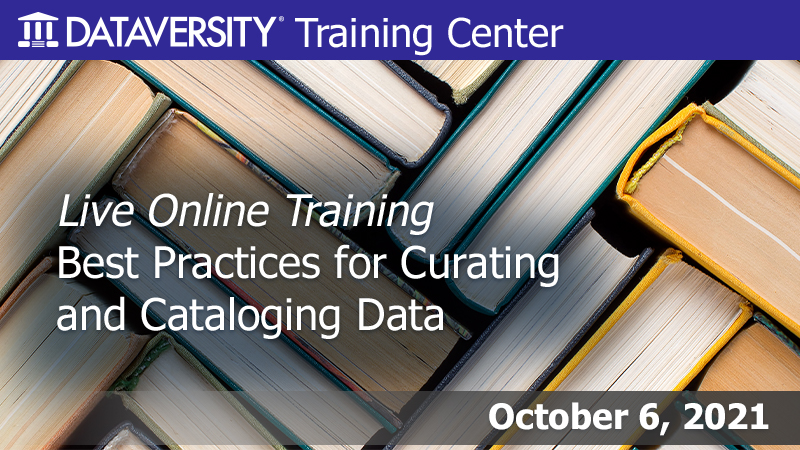
BPC1021: Best Practices for Curating and Cataloging Data
In this age of self-service data analytics, managing the inventory of available is an important part of Data Management. Data analysts must be able to find, understand, and access the data that they need for every analysis use case. Yet Data Governance controls must be in place to protect data that is subject to privacy, security, and regulatory constraints. Data curation and data cataloging are the core processes used to manage the data inventory.
Seminar Description
In this age of self-service data analytics, managing the inventory of available data is an important part of Data Management. Data analysts must be able to find, understand, and access the data that they need for every analysis use case. Yet Data Governance controls must be in place to protect data that is subject to privacy, security, and regulatory constraints. Data curation and data cataloging are the core processes used to manage the data inventory.
Data curation oversees a collection of data assets available to those who use and analyze data. Cataloging maintains the metadata that is necessary to support browsing, searching, evaluating, accessing, and protecting datasets. Curating and cataloging work together to meet the data needs of business and data analysts.
But curating and cataloging can raise many questions. What is the difference between shared data and curated data? What kinds of problems arise with multiple data catalogs, and what are the solutions? What kinds of metadata belong in the data catalog and how do you collect all of that metadata? Why are analysts not using the data catalog to its full potential? The answers to these and many similar questions are found by looking into best practices for curating and cataloging data.
Half-Day Seminar Price:
- $249 Early Bird Price through September 10, 2021
- $299 after September 10, 2021
Last day to register: Monday October 4, 2021
Seminar CEUs: 3.25
Seminar Date: October 6, 2021
Seminar Time: 11 AM – 2:30 PM Eastern / 8 AM – 11:30 AM Pacific
In this training, attendees will learn tips and best practices for:
- The concepts, responsibilities, and skills of data curation
- The role of data curators in Data Management and Data Governance
- Similarities and differences between data curators and data stewards
- The purpose, content, and uses of a data catalog
- The roles and responsibilities of various data catalog stakeholders
- The challenges of “bolt on” data catalogs and the reasons that you need an enterprise data catalog
- Techniques to get from data catalog implementation to data catalog adoption
NOTE: If the scheduled time is not convenient for your time zone and you have a group who would like to take this seminar at a time more convenient for you, please email [email protected] to coordinate a new course schedule.
Who Should Attend?
This half-day live online seminar is intended for business and IT professionals at all levels who have been tasked with investigating or implementing data cataloging and data curation on behalf of their organization. It does assume general business knowledge, but not specific technical knowledge or experience. It is appropriate for executives, departmental and/or project managers, data and enterprise architects, consultants, and technical staff. The course is not designed for any specific business domain, and as such is applicable to any business function that is in need of more reliable information, such as finance, manufacturing, human resources, analytics, operations, and more.
Seminar Format
- A half-day seminar workshop that includes lecture format over slides with questions either throughout or at the conclusion of each section, breakout sessions, and exercises.
- The seminar date is: Wednesday October 6, 2021
- Seminar time is: 11 AM – 2:30 PM Eastern / 8 AM – 11:30 AM Pacific
- All seminar material will be made available for students to download.
- DATAVERSITY will be integrating two platforms to run the training: The DATAVERSITY Training Center (DVTC) platform and Zoom.
- The DVTC Platform is where you will start your training: https://training.dataversity.net
- This will be where you will log in, and then click a “Join Now” button on the day of the live training in your course dashboard.
- This platform will contain the syllabus for the day, information on navigating through both platforms, enable you to take notes throughout the training, join a forum with your classroom peers to network with each other even after the live online training is over, download materials, and access the recording of the training when it is complete.
- When you click the “Join Now” button in the DVTC Platform, a Zoom window will open.
- This platform is where you will take the training, view the presentation, and engage in breakout sessions.
Subscription Purchase Options
Become a DATAVERSITY Insider when you subscribe and gain access to a host of special content.


Whats Included
Access your courses anytime, anywhere, with a computer, tablet or smartphone
Videos, quizzes and interactive content designed for a proven learning experience
Unlimited access. Take your courses at your time and pace